You’re chatting with a friend late at night. The conversation is flowing, memes are being shared, jokes are flying back and forth, and suddenly the other person sends a short message: “ttyl”. For a moment, you pause. Did they end the conversation? Are they upset? Or is it just another casual internet shortcut? If you’ve ever found yourself wondering this, you’re not alone.
Texting, chatting apps, and social media have completely changed the way we communicate. Instead of long sentences, people now prefer quick abbreviations and short forms to save time. In this detailed guide, we’ll break down the ttyl meaning in text in the simplest way possible.
You’ll learn what it stands for, how people use it in real conversations, where it fits on social media, and when you should or shouldn’t use it.
What Does TTYL Mean in Text?
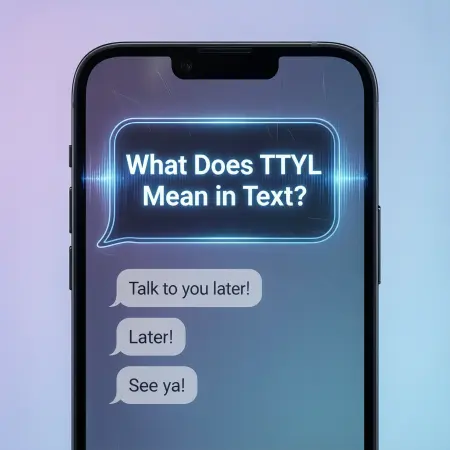
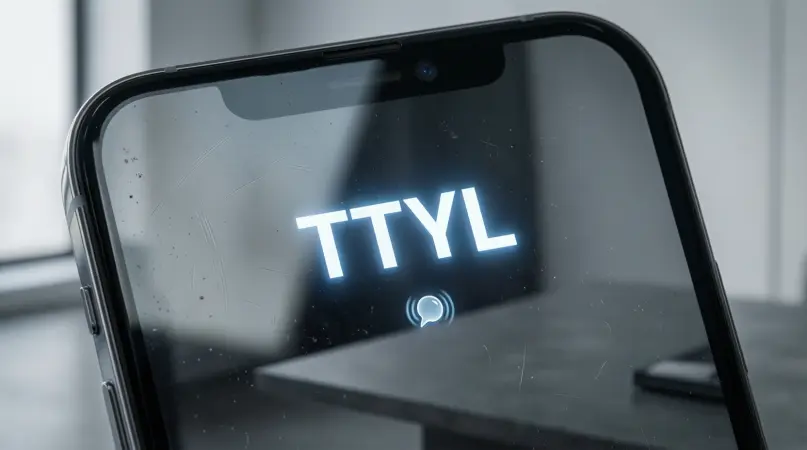
The most common and widely accepted ttyl meaning in text is:
TTYL = “Talk To You Later”
It’s a friendly way to say goodbye in a conversation, especially when you plan to talk again soon. Instead of writing a full sentence like “I’ll talk to you later,” people shorten it to “ttyl” to keep the conversation light and quick.
This abbreviation is usually used:
- At the end of a chat
- When someone is temporarily leaving
- When the conversation will continue later
It doesn’t mean goodbye forever. Instead, it reassures the other person that you’ll be back to talk again.
Different Meanings of TTYL
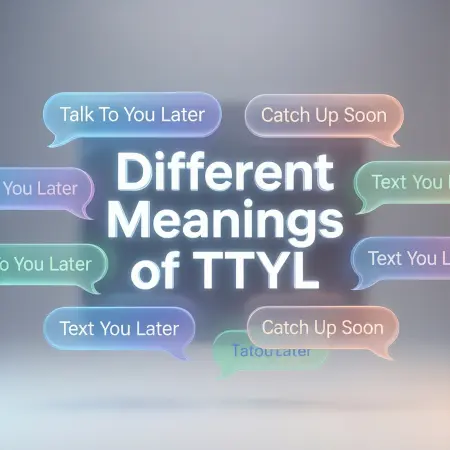
Although “Talk To You Later” is the main meaning, abbreviations can sometimes take on slightly different interpretations depending on context. Let’s explore all the possible meanings and variations associated with “ttyl”.
Talk To You Later (Most Common Meaning)
This is the standard and universally understood meaning.
- Used to end a conversation politely
- Suggests future communication
- Friendly and casual tone
Example:
- “I have to run now, ttyl!”
Talk To Ya Later (Informal Variation)
Some people interpret “you” as “ya” in informal speech. The meaning remains the same, but the tone feels even more casual and relaxed.
- Often used among close friends
- Feels playful and laid-back
Temporary Goodbye
In some contexts, “ttyl” acts as a soft goodbye rather than a formal sign-off.
- Less serious than “goodbye”
- More relaxed than “bye”
It’s not about ending communication, but pausing it.
How Is TTYL Used in Text Messages?
Understanding the ttyl meaning in text becomes much easier when you see how it’s used in everyday conversations.
Casual Conversations
“TTYL” is most commonly used in casual chats between friends, family members, or people who are comfortable with each other.
- Friends chatting after school
- Late-night conversations
- Gaming chats
- Group messages
Example:
- “I need to finish my homework. ttyl!”
Informal and Friendly Tone
This abbreviation carries a friendly and relaxed vibe. It’s not stiff or professional. Instead, it signals warmth and familiarity.
- No pressure
- No emotional distance
- Just a pause in conversation
Who Uses It Most?
- Teenagers
- Young adults
- Online communities
- Frequent texters
People who grew up with texting culture are more likely to use “ttyl” naturally.
Examples of TTYL in Sentences
Here are 7 real-life examples showing how “ttyl” fits into different conversations:
- “My battery is about to die, ttyl.”
- “I’m heading into a meeting right now, ttyl!”
- “Dinner is ready, talk later—ttyl.”
- “This movie is starting, ttyl 😊”
- “I’ll reply properly when I’m free, ttyl.”
- “Gotta go help my mom, ttyl.”
- “I’m logging off for now, ttyl!”
Each example shows how “ttyl” naturally ends a message while keeping the door open for future chatting.
Is TTYL Formal or Informal?
This is an important question, especially if you’re unsure about using abbreviations in different settings.
Informal Usage Only
The ttyl meaning in text is strictly informal. It’s designed for relaxed, personal conversations.
You should use it:
- With friends
- With classmates
- With family
- In casual online chats
Avoid in Professional Settings
You should avoid using “ttyl” in:
- Work emails
- Professional messages
- Communication with clients
- Formal academic writing
Instead, use phrases like:
- “I’ll get back to you later.”
- “Speak soon.”
- “I’ll follow up shortly.”
Using “ttyl” in professional settings may appear unprofessional or careless.
TTYL Meaning on Social Media
Social media platforms have their own communication styles, but the ttyl meaning in text remains mostly consistent across them.
On WhatsApp, “ttyl” is commonly used in one-on-one chats and group conversations.
- Used when stepping away
- Signals temporary absence
- Friendly and normal
Example:
- “I’m busy right now, ttyl on WhatsApp later.”
Snapchat
Snapchat conversations are quick and casual, making “ttyl” a perfect fit.
- Used when streaks continue later
- Often paired with emojis
- Feels very relaxed
On Instagram DMs, “ttyl” works well in informal chats.
- Between friends
- In casual conversations
- Not ideal for business DMs
TikTok
TikTok comments and messages are fast-paced.
- “ttyl” is used in replies
- Often playful
- Rarely formal
Facebook Messenger
Facebook Messenger sees a mix of age groups.
- Younger users use “ttyl” frequently
- Older users may prefer full sentences
- Meaning stays the same
Who Commonly Uses TTYL?
Let’s break down who uses “ttyl” the most and why.
Age Groups
- Teens (13–19): Very common
- Young Adults (20–30): Frequently used
- Adults (30–45): Used occasionally
- Older Adults (45+): Less common, but understood
Casual vs Frequent Users
- Frequent texters use abbreviations naturally
- Casual users may prefer full sentences
- Online gamers and chat users rely heavily on short forms
Digital Communication Habits
People who:
- Text daily
- Use social media often
- Engage in online communities
are far more likely to use “ttyl” without thinking twice.
Similar Text Abbreviations Like TTYL
The internet is full of shortcuts similar to “ttyl.” Here are some popular ones and what they mean:
GTG – Got To Go
Used when someone needs to leave immediately.
BRB – Be Right Back
Indicates a very short break.
TTYL – Talk To You Later
Suggests a longer pause, but not permanent.
IMO – In My Opinion
Used to share personal thoughts.
IDK – I Don’t Know
Expresses uncertainty.
BTW – By The Way
Adds extra information.
CU – See You
Casual farewell.
Each of these abbreviations serves a specific purpose in digital conversations.
Why Do People Use Short Forms Like TTYL?
There are several reasons why abbreviations like “ttyl” became popular.
Speed and Convenience
Typing fewer letters saves time, especially on mobile phones.
Culture
Short forms are part of online identity and internet culture.
Casual Tone
Abbreviations make conversations feel relaxed and friendly.
Space-Saving
Originally useful in SMS with character limits, still relevant today.
Habit and Trend
Once people get used to shortcuts, they become second nature.
Common Misunderstandings About TTYL
Despite being simple, “ttyl” can sometimes cause confusion.
Mistaken as Rude or Dismissive
Some people think “ttyl” means the person is uninterested. In reality, it’s usually polite and friendly.
Confused with Permanent Goodbye
New users may think it ends the conversation forever, which is not true.
Context Is Key
Understanding tone, timing, and conversation flow helps clarify the meaning.
FAQs About TTYL Meaning in Text
What does ttyl mean in texting?
It means “Talk To You Later.”
Is ttyl rude?
No, it’s friendly and casual when used appropriately.
Can I use ttyl with my boss?
It’s better to avoid it in professional communication.
Is ttyl still used today?
Yes, it’s still widely used in texting and social media.
ttyl mean goodbye?
It means a temporary goodbye, not permanent.
Can ttyl be used at night?
Yes, especially when ending a late-night chat.
Is ttyl used worldwide?
Yes, English-speaking users around the world understand it.
What should I reply to ttyl?
You can reply with “okay,” “sure,” or “talk later.”
Conclusion
The ttyl meaning in text is simple, friendly, and widely used in everyday digital communication. It stands for “Talk To You Later” and is meant to politely pause a conversation while keeping things warm and casual. From texting friends to chatting on social media, “ttyl” has become a natural part of modern language.