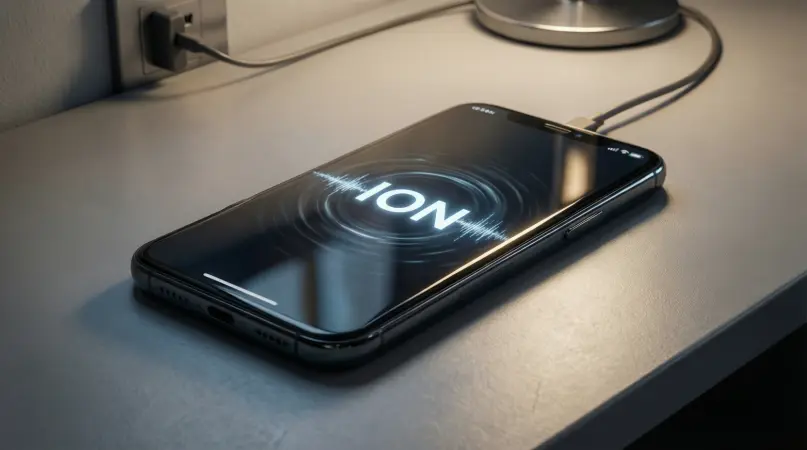
In the digital world, abbreviations and acronyms have become a vital part of texting and online communication. One such term is “Ion”, which is commonly seen in messages, chats, and social media posts.
People often wonder what it exactly means and how to use it correctly. Understanding these short forms can help make conversations smoother and more relatable.
It reflects casual communication and modern slang trends. Knowing the meaning of “Ion” can prevent confusion and misinterpretation in online chats.
What Does Ion Mean in Text?
The most common ion meaning in text is:
“I don’t”
In casual texting, “ion” is a shortened, slang version of “I don’t.” It is mostly used in informal conversations and is popular among younger users and online communities.
For example:
- “Ion care what they think.”
- “Ion know if I can come today.”
In both cases, ion simply replaces “I don’t.” It’s typed the way many people pronounce it quickly while speaking, especially in casual or slang-heavy conversations.
This usage makes texting faster and gives messages a relaxed, conversational tone.
Different Meanings of Ion
Ion = I Don’t (Most Common)
This is the slang meaning used in everyday chats.
- “Ion like that movie.”
- “Ion have time right now.”
It reflects casual speech and is very popular in texting culture.
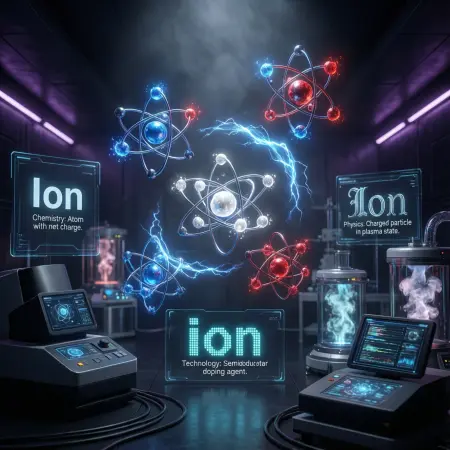
Ion = Ion (Scientific Meaning)
In science, an ion is an atom or molecule with an electric charge.
- Example: “Sodium becomes an ion after losing an electron.”
This meaning is not slang and is usually used in educational or scientific discussions.
Ion = In Other News (Rare)
In some online forums, ion can stand for “in other news.”
- Example: “Ion, the update was delayed.”
This meaning is much less common and depends heavily on context.
Ion as a Typo or Name
Sometimes, ion is simply:
- A typo
- Part of a longer word (like information)
- A name or brand
Understanding the surrounding message helps identify the correct meaning.
How Is Ion Used in Text Messages?
It’s informal and relaxed, often used between people who already know each other well.
Common Situations Where Ion Is Used
- Chatting with friends
- Group chats
- Social media comments
- Gaming chats
- Casual DMs
Tone and Style
- Very informal
- Conversational
- Often paired with other slang words
- Not grammatically formal
Who Uses It Most?
- Teenagers
- Young adults
- Social media users
- People who text frequently
It’s rarely used in professional or serious conversations.
Examples of Ion in Sentences
Here are 7 natural, real-life examples showing different contexts of ion meaning in text:
- “Ion feel like going out tonight.”
- “Ion know why he said that.”
- “Ion have enough money right now.”
- “Ion think that’s a good idea.”
- “Ion care if they’re late.”
- “Ion remember seeing that message.”
- “Ion wanna argue about it.”
In all these examples, ion clearly replaces “I don’t.”
Is Ion Formal or Informal?
Ion is completely informal.
Where Ion Is Okay
- Text messages with friends
- Social media chats
- Casual online conversations
- Informal comments or replies
Where Ion Should Be Avoided
- Professional emails
- Work-related chats
- School assignments
- Formal writing
- Business communication
Ion Meaning on Social Media
Ion on WhatsApp
- Common in personal chats and group chats
- Used casually among friends
- Example: “Ion think I’ll make it today.”
Ion on Snapchat
- Very popular among teens
- Often used in quick replies
- Example: “Ion care, send it.”
Ion on Instagram
- Seen in DMs and comments
- Often paired with emojis
- Example: “Ion like drama 😒”
Ion on TikTok
- Used in captions and comments
- Matches casual, trendy tone
- Example: “Ion trust anyone these days.”
Ion on Facebook Messenger
- Used mostly by younger users
- Less common among older audiences
- Example: “Ion know what happened.”
Who Commonly Uses Ion?
Age Groups
- Teens (13–19): Very common
- Young adults (20–30): Common
- Adults (30+): Less common
- Older users: Rare
Usage Frequency
- Heavy texters use it more
- Social media users adopt it quickly
- Casual communicators prefer it
Online Habits
- People comfortable with slang
- Users who prefer fast typing
- Those influenced by internet culture
Similar Text Abbreviations Like Ion
GTG – Got To Go
Used when leaving a conversation.
BRB – Be Right Back
Indicates a short break.
TTYL – Talk To You Later
Used when ending a chat.
IMO – In My Opinion
Used to share personal views.
IDK – I Don’t Know
Expresses uncertainty.
IDC – I Don’t Care
Similar in tone to ion usage.
FR – For Real
Used to show seriousness or agreement.
These abbreviations follow the same informal texting style as ion.
Why Do People Use Short Forms Like Ion?
Speed and Convenience
Typing fewer letters saves time, especially in fast chats.
Casual Expression
Slang feels relaxed and friendly.
Digital Culture Influence
Social media trends shape how people communicate.
Character Limits
Some platforms encourage shorter messages.
Personal Style
People enjoy expressing personality through language.
Common Misunderstandings About Ion
Mistaking It for Science
Some people think it refers to chemistry.
Confusing It With a Typo
Many assume it’s an error.
Tip: Read the sentence aloud it often sounds like “I don’t.”
Misusing It in Formal Writing
Using ion in professional settings can seem unprofessional.
Tip: Always match language to the situation.
Multiple Meanings Confusion
Context decides the meaning.
Tip: Look at who sent it and where it’s used.
FAQs About Ion Meaning in Text
What does ion mean in text?
It usually means “I don’t” in informal conversations.
Is ion slang?
Yes, it’s modern internet slang.
Can ion be used in formal writing?
No, it’s best avoided in formal situations.
Do adults use ion?
Mostly younger users, but some adults do casually.
Is ion the same as IDK?
No. Ion means “I don’t,” while IDK means “I don’t know.”
Is ion used worldwide?
It’s mainly used in English-speaking online communities.
Can ion have different meanings?
Yes, but context usually makes it clear.
Should I use ion in professional chats?
No, always use proper grammar professionally.
Conclusion
Understanding ion meaning in text can make online conversations much clearer and less confusing. While it may look strange at first, ion is simply a casual way of saying “I don’t.” It’s widely used in informal texting, social media chats, and conversations among friends, especially younger users.